Cervical Cancer Screening Recommendations
Cancer screenings check your body for cancer before you have symptoms. Cancer screenings may find cancers like cervical cancer early.
Cancer treatment works best when cancers are caught early.
Cervical cancer screening
Screening for Cervical Cancer
- The HPV test and the Pap test can help prevent cervical cancer or find it early.
- You should start getting Pap tests at age 21.
Most women 21 to 65 years old should get Pap tests as part of routine health care. Even if you are not currently sexually active, got the HPV vaccine, or have gone through menopause, you still need regular Pap tests. Experts recommend:
- Women 21–29 get a Pap test every 3 years
- Women 30–65 get:
- A Pap test every 3 years, or
- An HPV test every 5 years, or
- A Pap and HPV test together (called co-testing) every 5 years
- Women 65+:
- Need a Pap test if they have never been tested, or
- if they have not been tested after age 60.
The only women who may not need regular Pap or HPV tests are:
- Women older than 65 who have had three normal Pap tests or two normal co-tests in a row within the last 10 years, with the most recent test happening within the last 5 years, and who have been told by their doctors that they don’t need to be tested anymore
- Women who do not have a cervix (usually because of a hysterectomy) and who do not have a history of cervical cancer or abnormal Pap test results
Always talk to your doctor or nurse before stopping regular Pap and HPV tests.
Are you worried about the cost?
CDC offers free or low-cost cervical cancer screening tests through the National Breast and Cervical Cancer Early Detection Program.
Find out if you qualify. Or call 1-800-717-1811
This information was taken from https://www.cdc.gov/cervical-cancer/screening/index.html and https://womenshealth.gov/a-z-topics/pap-hpv-tests
Other exams, screenings, and vaccinations

Cancer prevention immunizations
There are two vaccines that can protect you from getting cancer.
The HPV vaccine protects you from 6 types of cancer (cervical, vulva, vagina, penis, anus, and oropharyngeal).
The Hepatitis B vaccine protects you from getting liver cancer.

HPV vaccine
The HPV vaccine is recommended for preteen boys and girls between the ages of 9 and 12 so they are protected before ever being exposed to the virus.
Lea información sobre vacuna contra el VPH, recomendada para niños y niñas preadolescentes entre los 9 y 12 años para que estén protegidos antes de estar expuestos al virus.
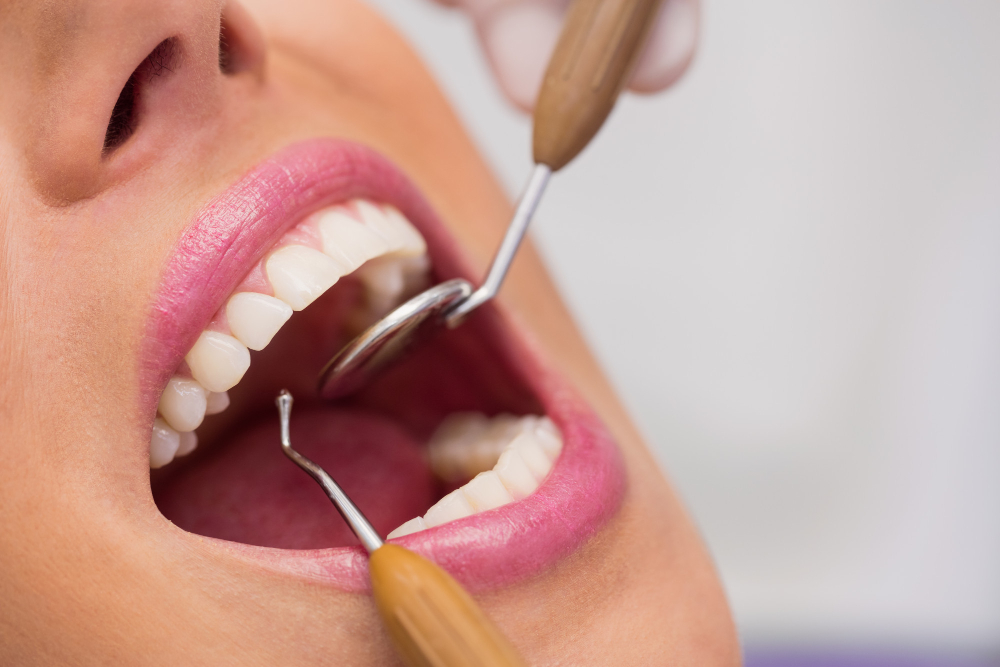
Oral health screening
Oral HPV can cause cancer in the mouth or back of the throat. Finding oropharyngeal cancers early is critical to increasing the survival rate for these cancers.
Immunization schedules
Vaccines are important to protect you from diseases. Vaccines can prevent certain deadly diseases in infants, children, adults, and travelers of all ages.